
Test Before You Build - How Smart Small Business Owners Save Money and Time By Validating Projects
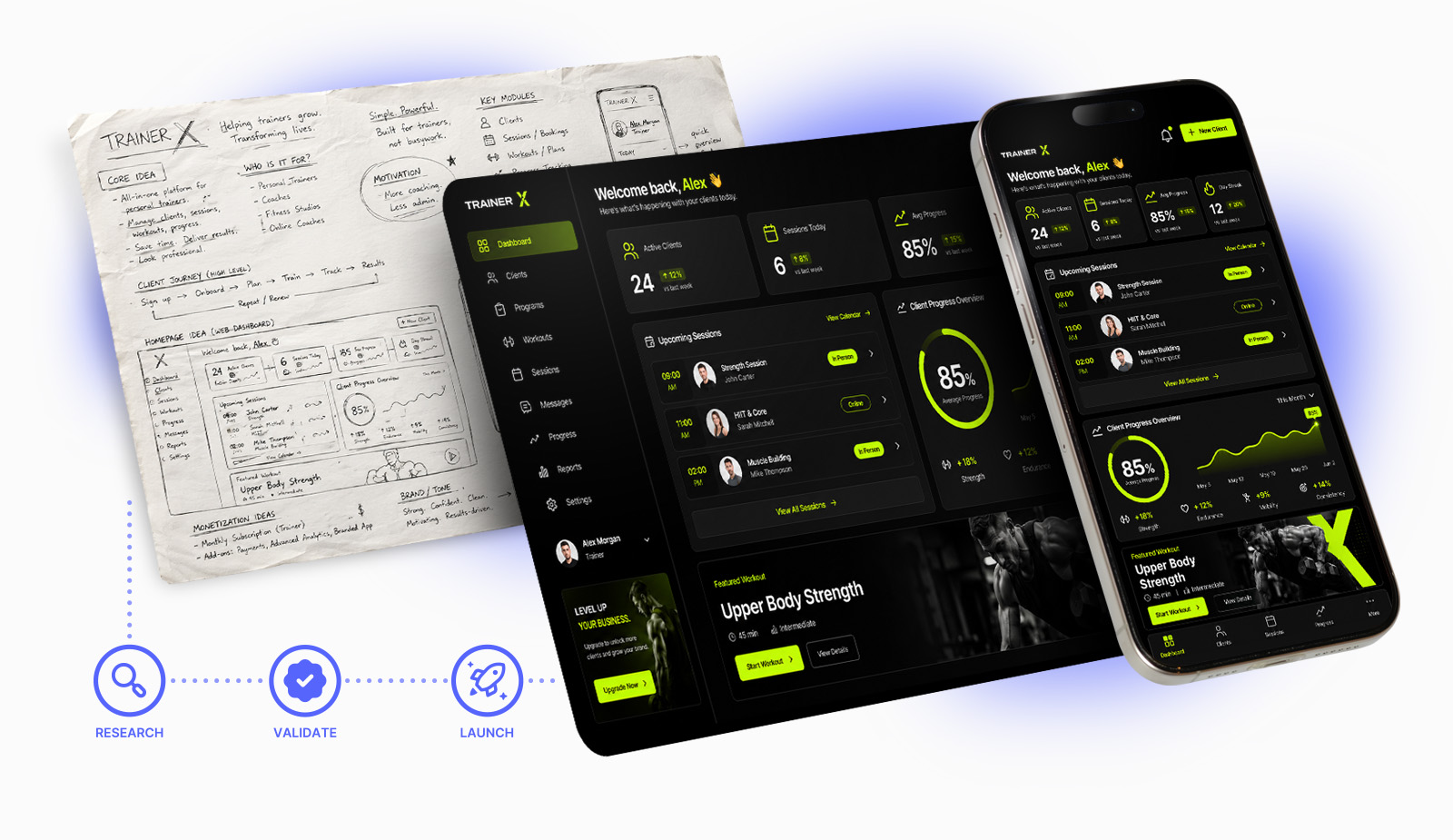
You've got a great idea for a business, a new product or service, or a special promotional push. It's the best idea you've had in ages and you just know it will work. This is exactly what the market needs now.
You go all in, spend thousands, dedicate hundreds of hours until your innovation is ready to unveil before the public. The advertising starts, marketing is in full gear, you wait...and wait..and wait. And NOTHING.
Prospects don't notice and customers don't care.
We've all had this experience. Even the best ideas that get all your family and friends nodding YES will somehow fail to interest prospects and customers.
The smartest move any new business owner can make is to TEST DEMAND before going all in. It's the surefire way to save money and time while insuring your proven idea will work as planned.
The Real Risk of Building Too Soon
CB Insights found 42% of small businesses fail because few people needed their product or service. Nearly 20% of new businesses fail within the first year and half are gone within five years, often because they invested in assumptions rather than hard evidence.
When you think about it, the problem isn't a bad idea, it's building first and learning second. That's an expensive gamble that often doesn't work out.
Testing Your Idea
Silicon Valley tycoons have developed a testing method they call the Minimum Viable Product or MVP. For a small business, a test version doesn't mean a half baked product. It's a less expensive test version that answers the most important questions:
- Can customers find you and understand your offer?
- Will they take action to book, buy, call, or request a quote?
- Will they pay the price you've set?
- Can you actually deliver the service?
Think about some of the businesses you know and how they struggle with some of these issues. We've all seen business websites where it's hard to understand what they're offering. Even the big guys struggle. Apple takes 7 days just to put an ordered iphone in a box, slap a label on it, and ship it. Walmart constantly adjusts prices to find a price that motivates sales.
The MVP method lets you gauge how interested customers will be. You'll spot problems early on and build experience for future business decisions. Rather than depending on an enthusiastic hunch, you'll invest in a proven winner.
Ultimately this not only saves you time and money, it helps you make money and grow. Testing ideas first is the key to consistent success.
Small Business MVP In Practice
Make your offer concrete and relatable. Use simple words and short sentences. That's easy for prospects to read quickly and instantly understand. Design your web page so it's easy and inviting for people to take the action you want:
- A cleaning service with a simple booking page and automated reminders.
- A personal trainer with a sign-up form and clear service menu.
- A bakery with online order flow and photo gallery of delicious offerings.
- A home repair business with a quote request form and photo upload so prospects can show their project.
With this approach, you're offering a focused product or service. It's one clear offer with one simple action for the customer to take. This lets you quickly find out if demand is real.
Contrast that with what most other businesses do. They spend months on branding, custom apps, and complex software before a single customer has arrived. It's an expensive gamble you don't have to make.
What Real Customers Teach You
Right away you'll see which services get clicked first. Which price point customers grab without hesitating. You'll see where they abandon the booking process. And you'll learn from questions customers ask and suggestions for features you haven't thought of yet.
The whole point of the MVP testing method is to learn. It lets you adjust as the information comes in, gradually perfecting your new product or service before it goes big.
Because most competitors skip this step, MVP gives you a BIG advantage. You step forward with confidence knowing exactly what works with little to no guesswork.
Saving Money and Reducing Risk
Yes, you could spend $15K to $30K building a full platform OR spend a fraction of that on a test launch that answers all your core questions.
Keep in mind testing first does NOT mean thinking small. It means spending money where there is already strong evidence. You'll know which features matter, which services to expand, and where to invest next. You're never flying blind.
The Bottom Line
The first version of your business doesn't need to do everything. It just needs to prove one thing - that customers will show up and take action.
- Validate the problem customers have
- Confirm prospects are actively looking for a solution
- Learn if they are willing to pay for your solution
You can only learn this by getting in front of real people. Testing and learning before building lets you launch faster, learn sooner, and build smarter.
Test your business ideas with LastCo.ai. Start with a focused digital launch, not a full build.
Start with a focused digital launch, not a full build.
Test your business idea with LastCo.ai